
How To Use Social Media to Promote Good Causes
BY Kristen Friend
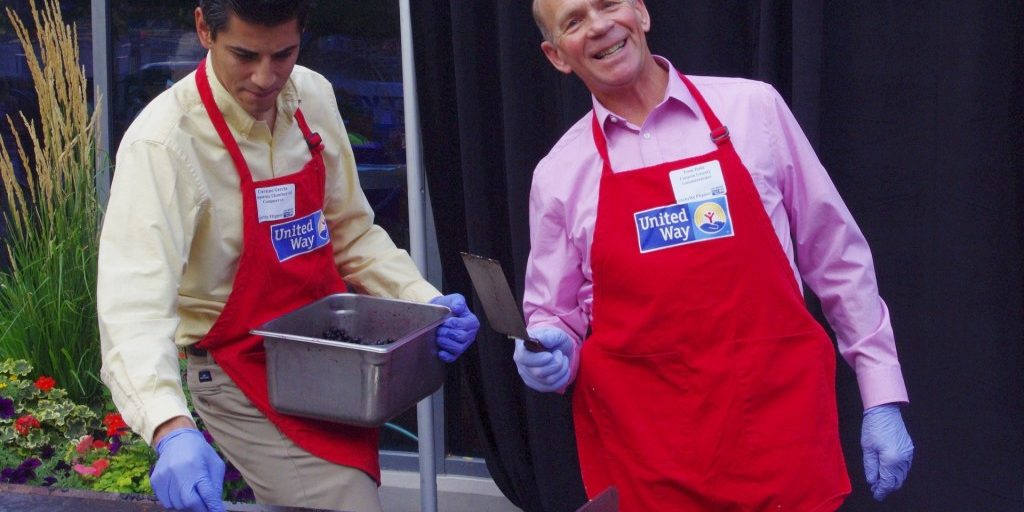
Offline, attorneys pride themselves on being community leaders, often supporting local civic groups by sitting on boards or participating in volunteer projects. Attorneys can and should take this practice online by using social media to help promote nonprofit groups. Participating in cause marketing nurtures good connections, builds your firm’s reputation and helps community members with much needed fundraising and support.
Online marketing is increasingly focused on content production, following multiple Google algorithm changes, beginning in 2011, that rendered link exchanges, keyword stuffing and keyword linking obsolete. Legal bloggers often give away knowledge and insight, which is both a service to their followers and a valuable way of building reputation and authority. But out of seeming market necessity, most of what attorneys produce online is about them: build my audience, grow my traffic, increase my revenue. Look at my experience and my credentials, and learn why you should hire me.
Consider diversifying to enhance your online presence through service to a cause. Working to help promote nonprofit groups provides an opportunity for law firms to boost social activity by helping others, while simultaneously generating positive press and growing their own networks. Online cause marketing can produce benefits for all parties involved. The first step is picking a group with which you would like to be affiliated. Be sure to choose a cause that aligns with your audience. If you are involved with local civic groups or charities, you are likely already affiliated with causes that would be of interest to your online followers. If you are looking for new organizations to support, try to find those with which you share some unity of purpose. Your firm’s services and brand should harmonize with the mission and values of the cause you wish to support.
Any cause-related campaign that speaks directly to your audience will naturally produce more support, raise more awareness and provide your charity partner with more resources.
Brawny paper towels’ Inner Strengths campaign offers one good example of alignment of purpose. In 2012, Brawny partnered with the Wounded Warrior Project, a nonprofit group dedicated to helping Iraq and Afghanistan veterans return to everyday life. Brawny’s director of marketing, Lanier Thomas, said that the brand had always represented strength, which connected with the Wounded Warrior Project’s mission and the theme of inner strength necessary to overcome injury and trauma. Brawny used television and social media to drive results. On Facebook, when anyone wrote on their “wall of thanks” or liked or shared campaign-related posts, Brawny donated $1 to the group. The venture garnered more than 1 billion impressions for Brawny and raised over $500,000 for the Wounded Warrior Project.
Your firm may not have the resources of a large national brand, but you can mobilize your creativity to find common ground with a local organization. Several options are available for firms wishing to use social media to help a good cause. You do not have to create your own campaign from scratch every time; nonprofits rely heavily on social media to build support and are always looking for help executing their plans.
You can sponsor a charitable social campaign by offering the financial support the organization needs to produce media assets. Building the right infrastructure across multiple social platforms can be costly, and your firm can help a partner you sponsor meet those costs.
You may also make public donations on behalf of the charity, or give a reward to supporters of a charity. Like Brawny, you could offer a $1 donation, up to a predefined amount, when a user takes a desired action. For campaigns that require users to post about the effort, consider offering rewards to random participants. The Hutchens Law Firm in North Carolina gave out $100 gift cards during its High Performance Giving campaign. The firm distributed numbered cards to members of its community and encouraged people to perform random good deeds. When a cardholder helped someone, he or she would pass the card along and encourage the recipient to do the same. The firm asked people to report about their good deeds on its campaign page, rewarding a participant each week.
Your firm can also get involved without direct financial contribution by unleashing your team to help run social media efforts. This is both an excellent learning experience and a way to create valuable connections. Participating in a project that needs to produce big results in a limited amount of time is a great way to learn social and prime creativity for future firm endeavors.
When law firms use social media to help others, everyone wins.
LATEST STORIES
MORE STORIES

How to Create Your Law Firm’s First Video
Whether you’re starting a TikTok channel, boosting your YouTube channel, or upgrading your website, video content can help make your future clients feel comfortable talking to you and your staff. For law firms, crafting an engaging and informative video can significantly enhance visibility and client engagement, plus open the doors to other opportunities like webinar…

Google’s March 2024 Broad Core Update is Fighting Spam and Deleting Low Quality Content
Google has long been the go-to search engine for billions of users worldwide, serving as a bridge between users and the vast ocean of information available on the web. Recognizing the importance of maintaining the integrity and quality of search results, Google has continually evolved its search algorithms and policies to combat spam and low-quality…

Insider Trading Case Highlights Work-From-Home Risks for Lawyers
The recent insider trading charge against the husband of a BP employee, who allegedly capitalized on confidential information overheard during his wife’s work-from-home scenario, casts a spotlight on the burgeoning confidentiality risks in remote work settings. Tyler Loudon, the spouse of a BP employee, faces insider trading charges in the U.S. for allegedly using confidential…