
Sidestepping Legislature, New York Governor Restores Voting Rights to Parolees
BY Thomas O'Toole
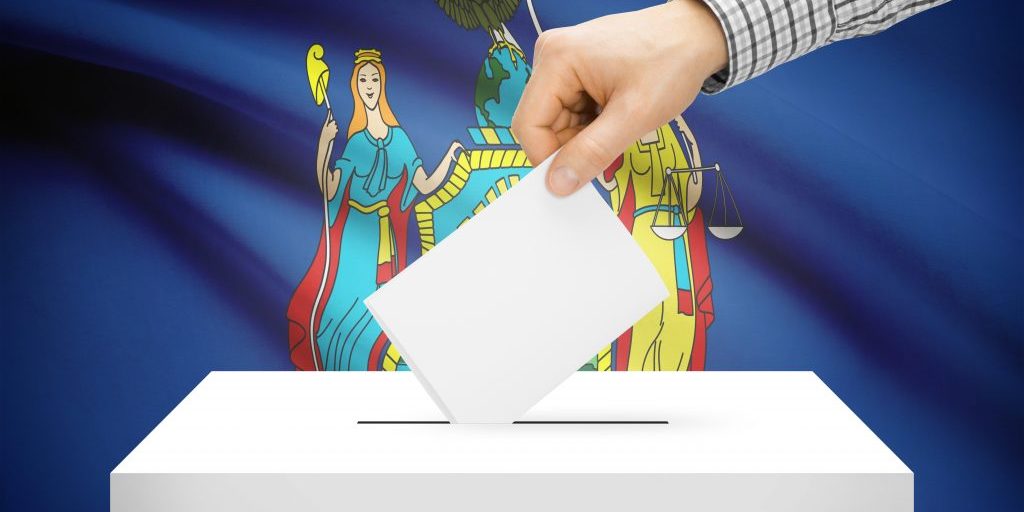
Parolees with felony convictions will soon gain the right to vote under a controversial executive order signed earlier this month by New York Gov. Andrew M. Cuomo (D).
Beginning May 1, New York’s 35,000 felony parolees will become eligible to obtain a limited type of gubernatorial pardon that restores their right to vote but keeps in place other restrictions such as the right to possess a firearm and hold public office.
Cuomo said the move was intended to reform a state criminal justice system that disproportionately disenfranchises minorities.
“This reform will reduce disenfranchisement and will help restore justice and fairness to our democratic process,” Cuomo said. “Withholding or delaying voting rights diminishes our democracy.”
The governor’s unilateral action angered state Republicans, who labelled it an “outrageous power grab.”
Disenfranchisement’s Disparate Impact
By invoking his power under the state constitution to pardon individuals convicted or accused of crime, Cuomo hurdled a roadblock posed by Republicans in the New York Senate who have so far enforced legislation implementing the Democrat’s criminal justice proposals.
According to Cuomo, 71 percent of parolees are either African-Americans or Hispanic. Cuomo said that parolees, who work, pay taxes and support families in their communities should be able to express their opinions via the ballot box. He cited research indicating a strong positive correlation between civic engagement and reduced rates of recidivism.
Executive Order No. 181 (2018) does not automatically restore parolees’ voting rights. However, it does eliminate the need for a parolee to affirmatively apply for restoration of voting rights. The executive order directs state corrections officials to provide the governor’s office with a list of all prisoners who were released on parole the prior month.
The governor’s office will select which parolees should have their voting rights restored. Restoration of the right to vote is not automatic.
“Each individual on the eligible list will be reviewed to determine whether he or she will be ranted a pardon that will restore voting rights,” the order states.
Once a parolee’s right to vote is restored, they will need to re-register to vote in their community.
The limited pardon created by Cuomo’s executive order does not restore the right to possess a firearm or to hold elective office. Restoration of these rights can be obtained by felons who successfully apply for either a Certificate of Relief from Disabilities or Good Conduct.
”Abuse of Authority”
Matt C. Pinsker, a former prosecutor and criminal defense attorney, and adjunct professor at Virginia Commonwealth University Wilder School of Government and Public Affairs, called Cuomo’s order an abuse of his executive authority.
“Traditionally, the restoration of rights only happens on a case-by-case basis where the burden of proof is on the felon to demonstrate though conduct and contributions to the community that he or she has been rehabilitated and is ready for the civic responsibility of voting,” Pinsker said. “By giving it to everyone without even looking at each individual's situation, he is restoring the rights of a number of people who should not be voting.”
In New York, the right to vote is automatically restored following completion of parole for a felony offense. Probationers in New York already enjoy voting rights during the term of their probation.
Eighteen other states permit felony parolees to vote, 14 of them automatically upon release from prison.
LATEST STORIES
MORE STORIES

How to Create Your Law Firm’s First Video
Whether you’re starting a TikTok channel, boosting your YouTube channel, or upgrading your website, video content can help make your future clients feel comfortable talking to you and your staff. For law firms, crafting an engaging and informative video can significantly enhance visibility and client engagement, plus open the doors to other opportunities like webinar…

Google’s March 2024 Broad Core Update is Fighting Spam and Deleting Low Quality Content
Google has long been the go-to search engine for billions of users worldwide, serving as a bridge between users and the vast ocean of information available on the web. Recognizing the importance of maintaining the integrity and quality of search results, Google has continually evolved its search algorithms and policies to combat spam and low-quality…

Insider Trading Case Highlights Work-From-Home Risks for Lawyers
The recent insider trading charge against the husband of a BP employee, who allegedly capitalized on confidential information overheard during his wife’s work-from-home scenario, casts a spotlight on the burgeoning confidentiality risks in remote work settings. Tyler Loudon, the spouse of a BP employee, faces insider trading charges in the U.S. for allegedly using confidential…